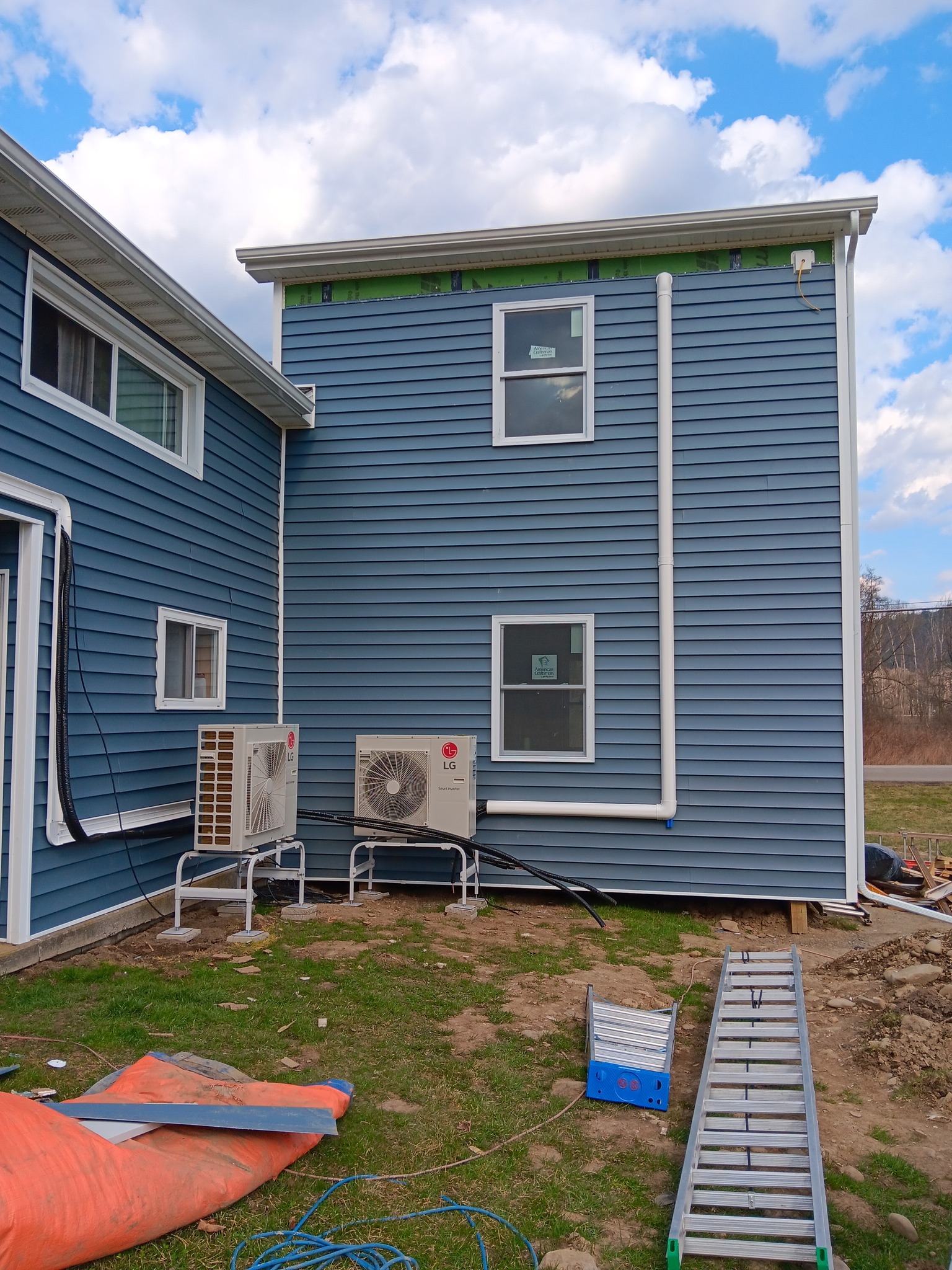
Energy-Saving Tips for Your HVAC System During Seasonal Transitions Nov 28, 2025
Firstly, conducting regular maintenance checks on your HVAC system is vital. Routine maintenance not only prevents unexpected breakdowns but also ensures that your system operates efficiently. A professional HVAC technician can inspect, clean, and tune-up your system to optimize its performance. This process often includes checking refrigerant levels, inspecting and cleaning evaporator and condenser coils, and ensuring that all components function correctly. This preventative measure can reduce energy consumption by up to 15%.
Next, consider adjusting your thermostat to align with seasonal changes. As temperatures fluctuate, setting your thermostat to transition smoothly from heating to cooling modes is essential. Investing in a programmable or smart thermostat can significantly enhance energy savings. These devices allow you to set specific temperatures for different times of the day, ensuring that your HVAC system works efficiently without wasting energy during peak times. According to the U.S. Department of Energy, lowering your thermostat by 7-10 degrees for eight hours a day can save as much as 10% a year on heating and cooling.
The importance of clean filters in your HVAC system cannot be overstated. Dirty filters restrict airflow, forcing your system to work harder than necessary. Regularly replacing or cleaning filters is one of the simplest ways to maintain energy efficiency. Experts recommend checking your filters monthly and replacing them every three months, or more frequently if your system is in constant use or you have pets. Cleaner filters lead to improved airflow and reduced energy consumption.
Sealing your home effectively is another critical aspect of energy efficiency. Cracks and gaps around windows, doors, and ductwork often lead to energy loss. Implementing air sealing improvements can significantly reduce your energy bills by preventing heated or cooled air from escaping. Using weather stripping, caulking, and insulating ductwork are simple but effective methods to improve your home's seal and reduce unnecessary strain on your HVAC system.
Additionally, consider harnessing natural ventilation during milder days. Opening windows and doors to allow fresh air in can reduce the need for mechanical cooling, thus saving energy. This natural method works best during mid-season transitions when the outside weather is neither too hot nor too cold.
Lastly, upgrading to energy-efficient HVAC systems could provide long-term energy savings. While the initial investment might appear significant, modern HVAC systems designed with energy efficiency in mind can quickly repay their cost through lower energy expenses. Consider systems with high Seasonal Energy Efficiency Ratios (SEER) or Heating Seasonal Performance Factors (HSPF) for optimal efficiency.
In conclusion, transitioning your HVAC system effectively during seasonal changes doesn't have to be complex. By maintaining your system regularly, optimizing thermostat settings, replacing filters, sealing your home properly, using natural ventilation, and considering upgrades, you can significantly enhance energy efficiency. At AR HVAC Air Conditioning & Duct Services, we're here to assist you every step of the way. Contact us today to learn more about optimizing your HVAC system for energy-saving success this season.
/filters:no_upscale()/filters:format(webp)/media/caaa3731-c79f-4a51-bb76-04dcd3c3608c.jpeg)
/filters:no_upscale()/filters:format(webp)/media/31cdf2bd-f9f4-4dd7-9da3-10d92155f751.jpeg)